
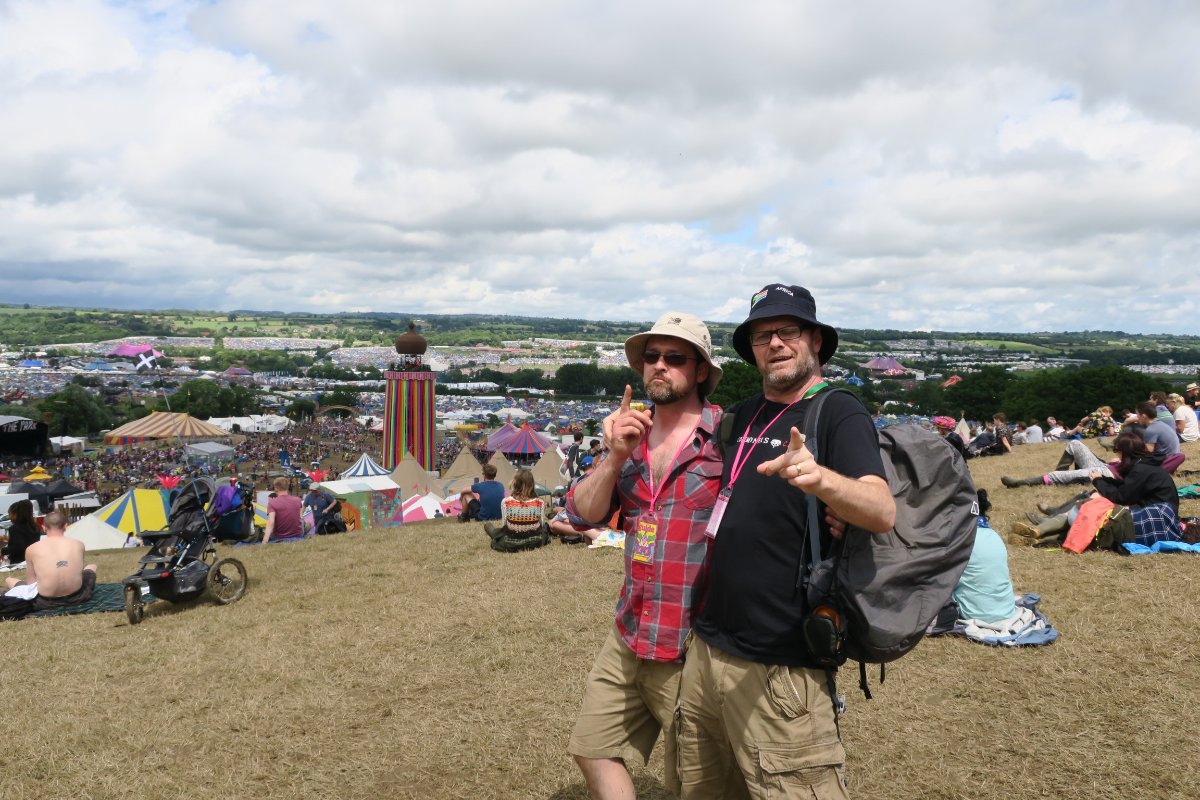
Festival season puts a lot of demand on your feet. Long days standing, walking on uneven ground, dancing in the wet, sleeping rough, and footwear that’s often not what you’d choose for daily wear — it’s a recipe for blisters, infections and the kind of foot problems that can take the shine off the weekend.
Here’s what to plan for, what to pack, and what to do when something goes wrong.
Footwear — the most important decision
Wellies are the festival default for good reason: they keep you dry. They’re also one of the worst things to spend three days walking around in. They don’t breathe, they rub, and they don’t support the foot well over uneven ground.
If you’re going to wear wellies:
- Choose neoprene-lined wellies rather than bare rubber. They’re warmer, more comfortable, and rub less.
- Wear technical hiking socks, not cotton — cotton holds sweat against the skin and accelerates blisters.
- Pack a second pair of dry shoes for when the ground is firm and the rain has stopped. Even an hour out of wellies makes a difference.
- Use insoles — even a basic cushioned insole transforms how a welly feels by the end of day two.
Walking boots and trail shoes that are already broken in are a much better choice if the forecast is mixed rather than washout. New footwear at a festival is the easiest way to guarantee blisters.
Blisters — prevention and treatment
Blisters form where there’s friction plus moisture plus pressure. Reduce any one of those three and the blister doesn’t form.
Prevention:
- Wear thin liner socks under thicker socks if you’re prone to blisters
- Apply blister tape (Compeed or similar) to known hotspots before the day starts, not after
- Keep feet as dry as possible — change socks halfway through the day if you can
- Treat any new rub or “warm spot” the moment you feel it; don’t wait
Treatment of an existing blister:
- A small intact blister is best left alone — the skin is the best dressing
- A large or painful blister can be drained with a sterile needle at the edge, leaving the roof of skin intact, then covered with a hydrocolloid plaster
- A burst blister needs cleaning, an antiseptic, and a dressing — and a watchful eye for infection
- See someone (a festival medic or a podiatrist when you’re back) if the area gets red, warm or weepy
“Welly leg” and friction injuries
Prolonged welly wearing can cause skin breakdown around the calf and ankle where the boot rim or strap rubs repeatedly — informally known as welly leg. It tends to start as a hot, red band and progress to a raw or bruised area.
Prevention is the same as for blisters: dry skin, friction reduction, breathable socks, and a break out of the wellies whenever you can. If the skin has broken, keep it clean and covered, and seek medical attention if there’s spreading redness, swelling, or pus.
Infections to watch for
Festivals are not a sterile environment. Cuts, blisters and broken skin can pick up infections that need treatment.
- Cellulitis — spreading redness, warmth and tenderness around an injury. Needs antibiotics promptly.
- Athlete’s foot — itchy, scaly skin between the toes from prolonged moisture. An over-the-counter antifungal cream usually settles it.
- Verrucae — picked up from communal shower floors. Wear flip-flops in shared showers.
- Tetanus — a deep cut on a rusted object is a tetanus risk; check your vaccination status before you go.
If you have diabetes, peripheral vascular disease, or any condition that affects circulation or sensation in the feet, take more care than the average festival-goer. A small injury can become a significant problem quickly.
Pack list
The minimum useful festival foot kit:
- Spare dry socks — more than you think
- Hydrocolloid blister plasters (Compeed or equivalent)
- Antiseptic wipes
- Small sterile needle (for draining blisters)
- Flip-flops for showers
- A second pair of shoes
- Talcum powder for between the toes if you’re prone to athlete’s foot
When you’re back
If something hasn’t healed properly within a week, or if you’ve come back with an ingrown toenail, infected blister or general post-festival foot mess, book an appointment or make an enquiry →. A single chiropody appointment is usually enough to sort most festival aftermath.
Have fun. Look after your feet.
Bob Longworth MSc DPodM MRCP is a director and senior podiatrist at Podiatry Clinics (Yorkshire) Ltd, and a member of the Royal College of Podiatry.