
When a patient’s foot anatomy or injury history doesn’t fit a standard insole prescription, the most useful answer is usually not a more expensive off-the-shelf device. It’s a more careful assessment and a device that’s adapted in clinic to suit the specific foot.
Here’s a case from clinic that illustrates the point.
Background
The patient — a man in his late fifties — had broken his fifth metatarsal during military service in his early twenties. After the fracture he was fitted with insoles, took a while to get used to them, and had worn variations of the same prescription ever since.
By the time he came to see us, the device was no longer doing the job. He had load-related pain through the lateral side of the forefoot and a sense that the foot had “given up” on the orthosis.
What we found on assessment
Three things mattered for the prescription:
- A dropped fifth metatarsal head, most likely a long-term consequence of the original fracture. Pressure was being driven onto a small area of skin and bone that wasn’t designed to take it.
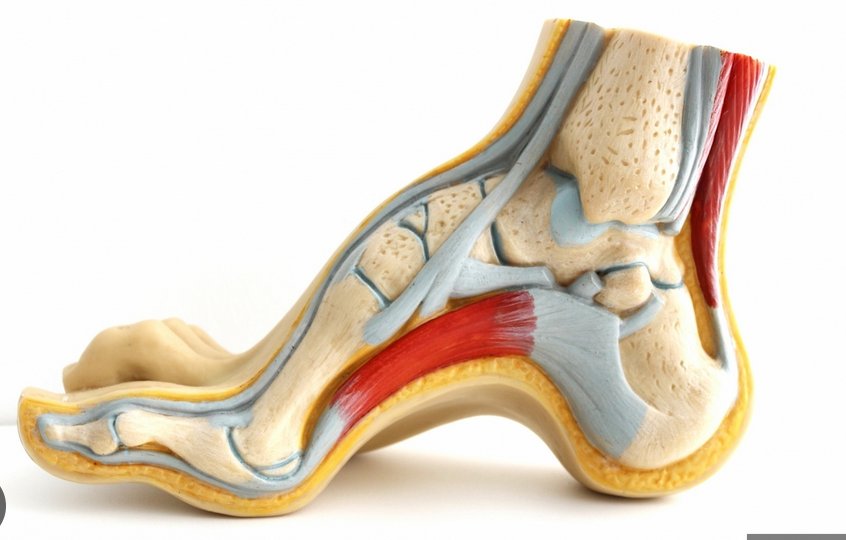
- A high arch with a rigid hindfoot — the foot didn’t have the natural shock absorption that a more mobile foot would.
- A subtle leg-length difference of around 6mm, with the compensating soft-tissue tightness on the longer side that you’d expect.
Standard prescription insoles weren’t designed for this combination. The device needed to be built up specifically.
What we did
The orthosis we adapted in clinic had four main features:
- A reverse Morton’s extension to redirect load away from the dropped fifth metatarsal head and onto the surrounding heads
- A heel cushion to compensate for the rigid hindfoot’s lack of natural attenuation
- A 4mm heel raise on the shorter side — modest, deliberately under-correcting the leg-length difference because full correction is rarely well tolerated in older patients
- A medial flange to give the hindfoot some control through midstance
Total cost of the device, including the in-clinic adaptations, was within our usual £40–£80 orthoses range.
How it went
At review four weeks later, the lateral forefoot pain had largely settled and his everyday walking had improved. We made one further small adaptation at that visit, and he’s been back since for routine checks.
Why this matters
There’s a tendency to assume that complex feet automatically need expensive, fully-custom, lab-fabricated devices. Sometimes they do. More often, the better answer is a careful assessment and a device that’s adapted to the specific problem — something that can usually be done in clinic in a single appointment, and refined at follow-up if the response isn’t what was expected.
The cost of the device matters less than where you put the force, when you put it, and how the device fits into the wider treatment plan. For many patients that includes a biomechanical and gait assessment at the start, and access to MSK and sports podiatry work alongside the orthosis where there’s underlying tissue irritation.
When to come and see us
If you’ve been told you need expensive custom orthoses, or you’ve had insoles in the past that didn’t quite work, or you have an unusual foot that hasn’t responded to standard prescriptions, a structured biomechanical assessment is a sensible starting point.
Book an appointment or make an enquiry → — Leeds, York, Wetherby and Wharfedale.
Bob Longworth MSc DPodM is a director and senior podiatrist at Podiatry Clinics (Yorkshire) Ltd. Case detail anonymised; identifying information adjusted.